Recycling and Sustainability at Gardening Manor Park
Our vision for an eco-friendly waste disposal area
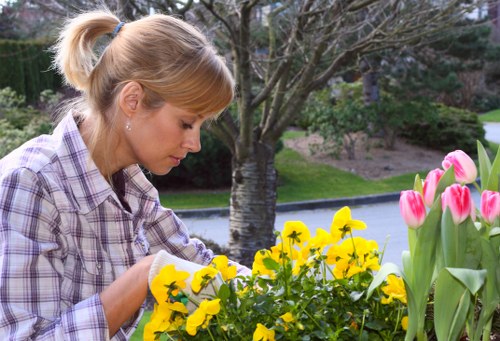 Gardening Manor Park is committed to creating an eco-friendly waste disposal area and a thriving sustainable rubbish gardening area that serves residents, visitors and urban wildlife alike. Our approach balances practical waste collection with habitat-friendly practices: segregated recycling bays, on-site composting loops and clearly marked reuse points make it easier to keep valuable materials out of landfill. We champion a borough-wide ethos that supports separate streams for glass, paper, cans, food and green waste, mirroring the local council's progressive waste separation policy.
To reach our goals we have set a bold recycling percentage target and rolled out visible infrastructure. Our short list of priorities includes:
- 65% recycling rate across the park and adjacent community by 2030
- Expanded compost access for gardeners and community plots
- Clear signage aligned with neighbouring boroughs' waste separation schemes
 Implementation includes dedicated containers for dry recyclables, food caddies for compostable leftovers and centralised points for bulky items. The park's separation strategy follows the boroughs' approach to waste separation, encouraging residents to rinse and sort at source, and then deposit materials at defined transfer points within the park boundary.
Partnerships, transfer stations and reuse networks
Gardening Manor Park works with local transfer stations and community partners to streamline material flows. We coordinate with nearby transfer hubs — including North End Transfer Station, Riverside Transfer Hub and Meadowbrook Transfer Station — which accept sorted loads and route them on to recycling facilities. This network reduces double-handling and shortens the transport chain from the park's eco waste disposal area to processing centres.
 Strong partnerships with charities and reuse organisations are central to our model. We collaborate with local charities such as Community Reuse Collective, GrowAgain and Furniture Forward to divert usable items from the waste stream. These partners collect usable tools, pots, furniture and textiles; repair or repurpose them; and redistribute to those in need, keeping items circulating in the local economy and cutting demand for new resources.
To make redistribution easier we operate scheduled handover days and designated drop-off points within the sustainable rubbish gardening area, where volunteers check, sort and prepare items for charity pickup. This reduces waste and creates opportunities for community skill-sharing around repair and upcycling.
Low-carbon logistics and on-site sustainability measures
Our fleet strategy focuses on low-emission transport for collection and redistribution. We deploy a fleet of low-carbon vans—including electric cargo vans and hybrid last-mile vehicles—on regular circuits between the park, local transfer stations and charity partners. Using electric vehicles reduces particulate emissions and noise, and aligns with the park's sustainable waste garden area ambitions that prioritize biodiversity and visitor comfort.
 Sensor-equipped bins and consolidated collection points reduce unnecessary journeys by optimising vehicle routes; combined with our low-carbon vans, this yields measurable carbon savings. The park also employs on-site processing: mulching green waste for local pathways, turning food scraps into compost for community beds and chipping prunings to create wildlife habitats. Together these help lower the volume sent off-site and keep carbon locked into soil.
 Operational transparency is important: we publish annual summaries of tonnages diverted from landfill, the percentage of materials recycled, and the count of items redirected to charity. The boroughs' approach to waste separation is reflected in our communications, so residents know how to participate and where their materials flow next.
Practical features of our sustainable rubbish gardening area
Key park features supporting sustainable disposal include:
- Segregated bays for glass, paper, mixed recycling, and metal
- Food caddies and community composters for organic matter
- Reuse shelves staffed by partners on collection days
We also host periodic logistics coordination with local transfer stations so large or hazardous items can be handled safely and legally. Using consolidated pick-up points reduces vehicle trips to transfer stations and shortens haul distances, which helps lower CO2 emissions associated with waste transport.
Finally, the park's landscape design supports sustainability: rain gardens reduce stormwater runoff, native planting encourages pollinators, and mulched pathways are made from local green waste, demonstrating how an eco-friendly waste disposal area and a resilient garden can exist side by side.
Measuring success and next steps
Success for Gardening Manor Park is measured by data and community outcomes. We track recycling rates, the tonnage diverted to charities, and reductions in vehicle miles from low-carbon collections. Our public target of a 65% recycling rate by 2030 provides a clear benchmark that informs ongoing investments in infrastructure and partnerships.
The park will continue expanding collaborations with charities, investing in additional electric collection vehicles, and refining on-site composting systems. By aligning with the boroughs' waste separation patterns and working closely with local transfer stations, we aim to create a replicable model for urban green spaces that want an effective, low-carbon approach to waste and reuse.
Gardening Manor Park remains committed to creating an accessible, efficient and sustainable rubbish gardening area that benefits people and the planet. Through ambitious targets, thoughtful logistics and community partnerships, we are transforming everyday disposal into a resource for regeneration.